






 EN
EN ZH
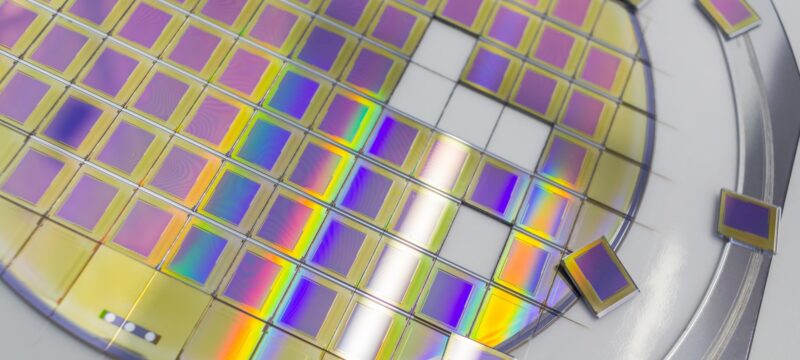
ZHSilicon has long been the foundation of the semiconductor industry, powering everything from
consumer electronics to advanced computing systems. However, as technology continues to
evolve, engineers are increasingly turning to specialty wafer materials that offer unique
electrical, optical, thermal, and mechanical properties beyond those of conventional silicon.
Among these materials, glass, quartz, LiNbO₃, sapphire, and Altic wafers have become
important substrates for a wide range of advanced applications.
Glass Wafers
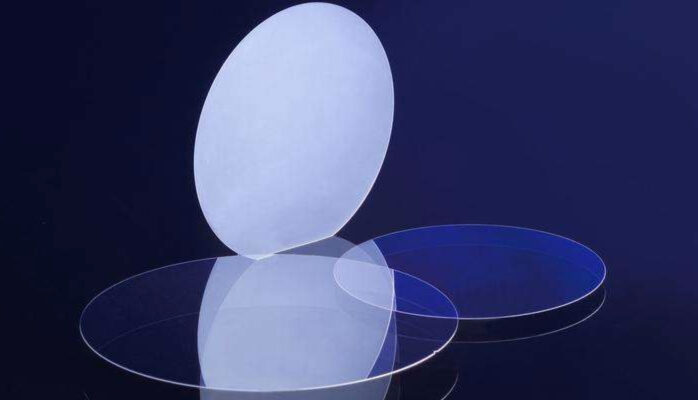
Glass wafers are widely used in MEMS, sensors, optical devices, and advanced packaging
technologies. One of their key advantages is their excellent electrical insulation and
transparency. Different types of glass, such as borosilicate and fused silica, offer varying levels
of thermal stability and optical performance. As semiconductor packaging becomes more
complex, glass wafers continue to gain attention as an alternative to traditional silicon
substrates.
Quartz Wafers
Quartz wafers are known for their exceptional piezoelectric properties, making them
indispensable in frequency control and RF applications. They are commonly used in Surface
Acoustic Wave (SAW) filters, resonators, oscillators, and sensors.
Unlike ordinary glass, single-crystal quartz can convert mechanical energy into electrical energy
and vice versa. This allows highly accurate frequency control in communication devices and
automotive electronics. The crystal orientation of quartz wafers is carefully selected depending
on the intended application, as even slight changes in cut angle can significantly affect
performance.
Lithium Niobate (LiNbO₃) Wafers
Lithium Niobate (LiNbO₃), commonly known as LN, is a piezoelectric crystal substrate widely
used in RF, telecommunications, and photonic applications. It is able to efficiently convert
between electrical and acoustic signals, making it a popular choice for SAW devices and
advanced sensors. Compared to quartz, lithium niobate offers stronger piezoelectric
performance, allowing higher-frequency operation and improved signal processing capabilities.
As demand for faster wireless communication and optical technologies continues to grow, LNwafers remain an important substrate material for next-generation electronic and photonic
devices.
Sapphire Wafers
Sapphire wafers are valued for their remarkable hardness, chemical resistance, and optical
transparency. These properties make sapphire an ideal substrate for LEDs, optical components,
RF devices, and high-temperature applications.
Sapphire is available in various crystal orientations, including C-plane, A-plane, R-plane, and
M-plane, each offering distinct characteristics. In addition to its durability, sapphire can withstand
harsh environments where other materials may degrade, making it suitable for demanding
industrial and aerospace applications.
Altic Wafers
AlTiC, short for Aluminum Oxide–Titanium Carbide (Al₂O₃–TiC), is a ceramic composite material
known for its excellent mechanical strength, dimensional stability, and wear resistance. Unlike
piezoelectric crystal substrates such as quartz or lithium niobate, AlTiC is primarily valued for its
durability and thermal stability. These properties make it suitable for precision applications
requiring high rigidity and resistance to deformation.
As wireless communication technologies continue to develop, engineers are exploring a wider
range of piezoelectric materials to achieve improved device performance. Altic wafers represent
one of several advanced substrate options that can help meet the growing demands of
next-generation communication systems and precision sensing applications.
Selecting the Right Wafer Material
Choosing the appropriate wafer depends on the specific requirements of the application. Glass
wafers offer excellent electrical insulation and advanced packaging capabilities, quartz wafers
provide good frequency stability for timing and acoustic wave devices, LiNbO₃ wafers offer
strong piezoelectric performance for RF and photonic applications, sapphire wafers are valued
for their durability and thermal resistance, while AlTiC wafer offer stability and wear resistance
for electronic applications.
As technology advances, the demand for specialty wafer materials will continue to grow across
industries. At D&X Co., Ltd., we supply a wide range of specialty wafer materials, including
advanced materials mentioned above. As MEMS, RF, photonic, and sensing technologies
continue to evolve, the demand for specialized wafer materials is expected to grow across a
wide range of industries. Through our experience supporting customers with diverse material
requirements, we recognize the importance of selecting the right substrate for each application.


